
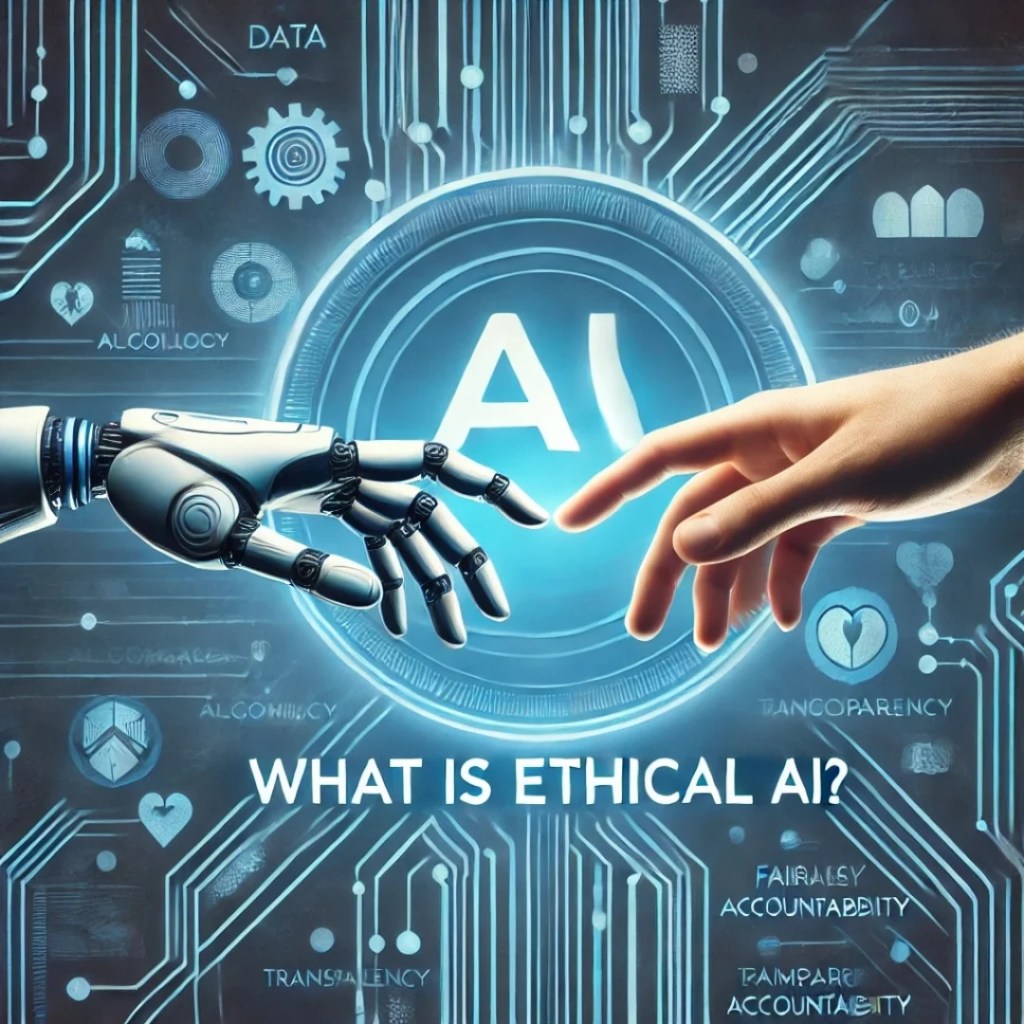
Artificial Intelligence (AI) is rapidly becoming a key part of our everyday lives. From personalized ads on social media to advanced AI systems making critical decisions in healthcare, AI is influencing more of our world every day. As AI continues to develop, there is an important question we must address: How do we ensure AI is used in a safe and fair manner?
Ethical AI vs. Responsible AI: What’s the Difference?
While Ethical AI and Responsible AI are closely connected, they address different aspects of AI governance:
- Ethical AI focuses on aligning AI with moral values such as fairness, transparency, and accountability.
- Responsible AI takes these ethical guidelines and puts them into practice. It ensures that AI systems are built following laws, regulations, and standards. It focuses on creating real-world frameworks and solutions for AI compliance.
Key Principles of Ethical AI
- Fairness: The AI systems should not discriminate against any group based on race, gender, or other characteristics. Fairness involves actively identifying and correcting any biases in the data or logic used to train the AI systems.
- Transparency: The inner workings of the AI systems should be accessible to the users. This transparency fosters trust and allows users to know how and what data is being used and how decisions are being made.
- Accountability: When AI systems cause harm or make mistakes, someone must be held responsible. This includes being transparent about how decisions are made and providing mechanisms to course correct if things go wrong.
- Privacy: Ethical AI respects individuals’ privacy by safeguarding personal data and ensuring that consent is obtained before using it.
- Human-Centric Design: AI should enhance human capabilities and well-being, rather than replace or undermine them. This means considering the social implications of AI technologies and prioritizing human values in their development.
Why Responsible AI Development is Essential
- Building Trust: Building trust in AI systems is crucial for their acceptance. When people know that ethical considerations are taken seriously, they are more likely to embrace these technologies.
- Protecting Human Rights: Ethical AI is fundamentally about protecting human rights and ensuring that AI serves to enhance human dignity rather than undermine it. Without ethical considerations, AI can cause significant harm by leading to unjust outcomes in critical areas such as hiring, law enforcement, and healthcare.
- Driving Sustainable Development: By aligning AI initiatives with ethical principles, we can address pressing global challenges, such as climate change, healthcare access, education and inequality, leveraging AI for sustainable development.
- Setting Industry Standards: As discussions around ethical AI gain momentum, establishing robust ethical standards can help shape industry practices. Encouraging a culture of responsibility that can transcend individual companies can help level the playing ground for big or small companies.
- Encouraging Compliant Innovation: An ethical framework can inspire innovative approaches to AI development. By prioritizing ethics, companies can differentiate themselves and create technologies that not only succeed in the market but also contribute to a better society.
Challenges to Implementing Ethical AI
- Bias in Data: One of the most significant challenges is the presence of bias in training data. If the data used to train AI systems is biased, the algorithms will likely reflect those biases, leading to unfair outcomes. Addressing this requires ongoing efforts to identify, measure, and mitigate bias.
- Complexity of Algorithms: Many AI models, particularly deep learning systems, are inherently complex and often function as “black boxes.” This complexity can make it difficult to achieve transparency and explainability, complicating efforts to ensure ethical standards.
- Regulatory Landscape: The lack of a cohesive regulatory framework for AI poses a challenge. Different regions may have varying standards, leading to inconsistencies in ethical practices. This inconsistency can hinder global collaboration and the establishment of universal ethical guidelines.
- Balancing Innovation with Ethics: There is often a tension between the rapid pace of AI innovation and the need for ethical considerations. Companies may prioritize speed and efficiency over thorough ethical assessments, risking potential harm.
- Public Awareness and Education: Many are unaware of how AI technologies work or their potential ethical implications. Increasing public awareness is essential for fostering informed discussions about the ethical use of AI
Ethical AI is an essential framework for guiding the development and use of artificial intelligence in ways that are beneficial to society. By embracing principles of fairness, transparency, privacy, accountability, and human centric design, we can navigate the complexities of AI and harness its potential for numerous benefits. As students, consumers, and future leaders in technology and government, we all have a role to play in ensuring that this powerful tool is used responsibly and ethically.


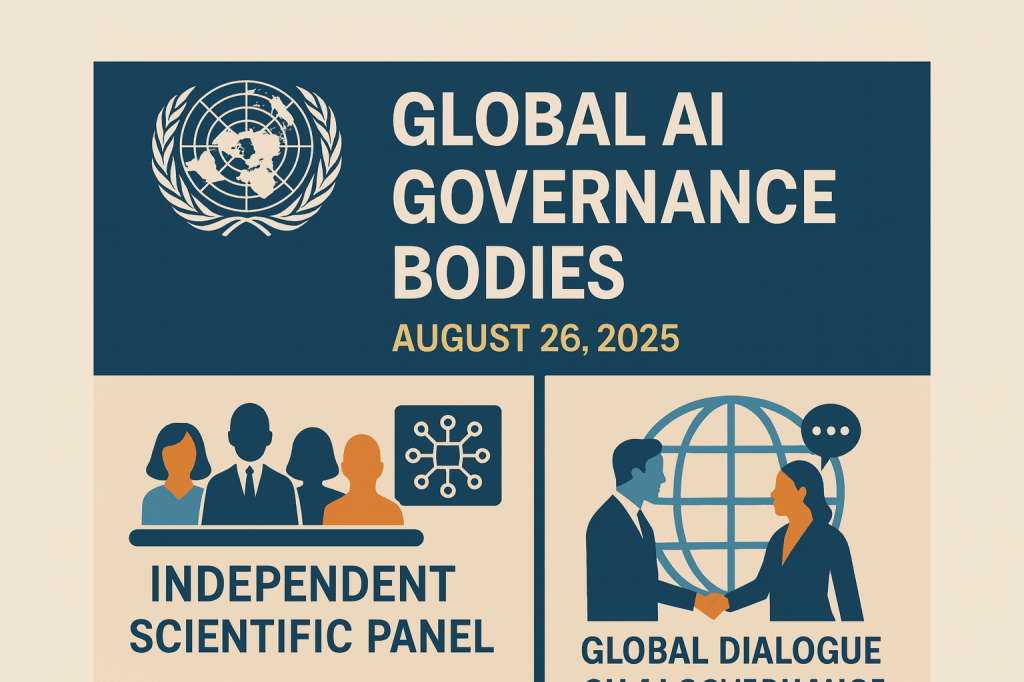
 AI Policies for a Safer, Smarter World.